
Home
About us
Passion for sustainable building!
Contact
Nederlands
Request a quote
Our services
Projects
Knowledge base
Google-rating: 5.0 from 5 reviews★★★★★
Timber or uPVC window frames: with modern insulated glazing both insulate well, and the difference lies mainly in appearance, maintenance and price.
A free, no-obligation quote tailored to you in just a few clicks. You finish on the quote page, where everything is already filled in.
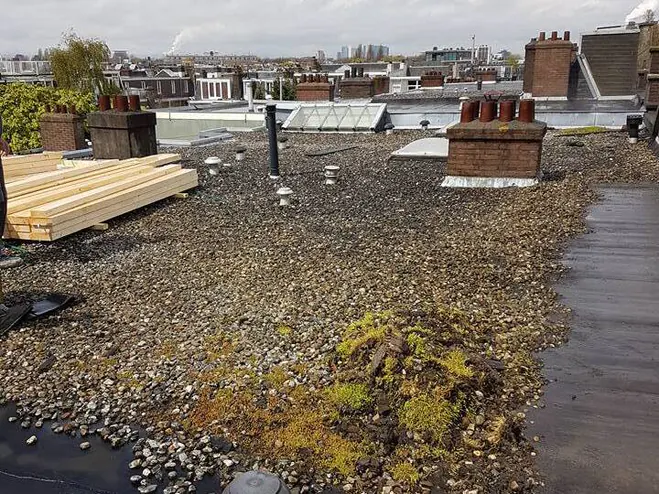
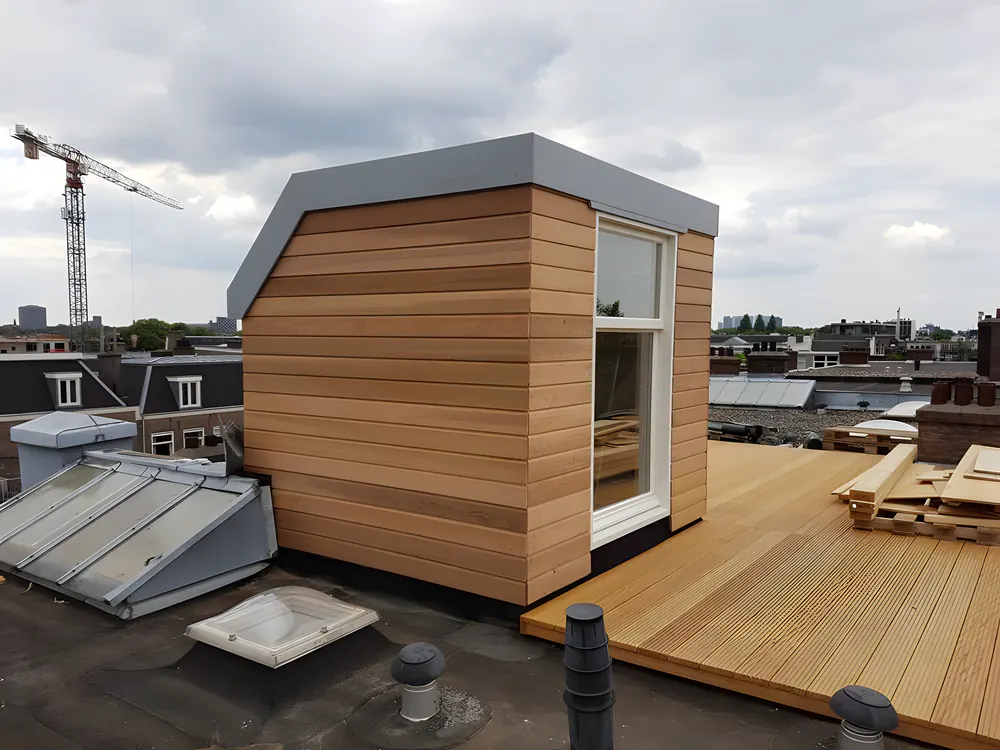 BeforeAfter
Timber or uPVC window frames: with modern insulated glazing both insulate well, and the difference lies mainly in appearance, maintenance and price. uPVC is usually cheaper to buy and needs little maintenance. Timber has a natural, characterful look, is easy to repair and often suits older homes and listed buildings better, but needs painting every few years. Which choice fits best depends on your home, the surroundings and how long you plan to live there.
Timber gives slim, crafted profiles with depth and shadow lines, and can be painted in any colour. That suits 1930s houses, old dyke houses and the stolp farmhouses that are common in West-Friesland. uPVC profiles are generally somewhat wider and sleeker. With a woodgrain finish and a colour they come close to timber, but up close the difference remains visible.
Timber frames are generally painted every six to eight years and checked in between for small cracks and open joints. If you keep that up through regular maintenance, they will last for decades. If it is put off, rot gets a chance; see wood rot in window frames.
uPVC frames do not need painting. Occasional cleaning and lubricating the hinges and locks is enough, and they often last forty years or more. One drawback is that damage is harder to repair locally than with timber.
In insulation the difference is smaller than often thought. The glazing determines most of the insulation value, and both timber and modern multi-chamber uPVC profiles insulate well. In price, uPVC is usually cheaper to buy; timber frames are often more expensive per m², and the paintwork comes on top. What that means in euros is explained in uPVC window frames cost and cost of replacing window frames.
Timber is often the logical choice for a listed building, in a protected townscape or for a facade that calls for authentic profiles. The municipality sometimes even requires timber; read renovating a listed building. uPVC suits homes from the second half of the twentieth century, a sleek extension and anyone who wants little maintenance.
We work with window and door frames in uPVC and in traditional styles and advise per home. On our page window and door frames you can read how we work, with one project manager from measuring to completion.
Yes, for example timber on the street side for the character of the facade and uPVC at the rear. Do make sure the colour and profile size match. For a listed building or a protected townscape, there are often requirements for the visible facades.
uPVC frames are made of PVC, but old frames can generally be collected and recycled into new profiles. Timber from responsibly managed forests is a renewable resource, but needs paint and maintenance. Both have pros and cons, and a long lifespan weighs heavily for both.
In most homes, yes. For a listed building, in a protected townscape or if the environmental plan sets requirements for the facade, this may be restricted. Check with your municipality before you order.
Every home is different. After a free, no-obligation visit you receive a clear, tailored quote.
Request a quote Get in touchCall or message Richard Vlieland on +31 6 11 78 63 20, or request a free quote. We are happy to come and have a look.
Request a quote More information